





India’s digital payments landscape could face a significant shift as the Finance Ministry considers imposing a 5% GST on UPI payments exceeding ₹2,000. With the GST Council meeting around the corner, this proposal has sparked heated debates among citizens, businesses, and policymakers. If approved, the new “UPI GST” rule could take effect by July 1, 2025, reshaping how millions transact daily.

“GST on UPI Payments Sparks Outcry: Critics Warn of Increased Costs and Setbacks to Digital India Push”
The move has drawn sharp criticism, especially from middle-class families and small businesses reliant on UPI for seamless transactions.
- Ritesh Sharma, a Jaipur-based professional, voiced frustration: “First, we were pushed to adopt digital payments post-demonetization. Now, they’re taxing us for it?”
- Priya Menon, a Kochi homemaker, highlighted practical concerns: “Paying 5% extra on groceries or milk defeats the purpose of UPI’s convenience.” Political leaders have also slammed the proposal. Congress MP Jairam Ramesh called it a “U-turn on Digital India,” while Trinamool’s Mahua Moitra warned it could drive users back to cash, undoing years of progress.
Will This Hurt India’s Fintech Boom?
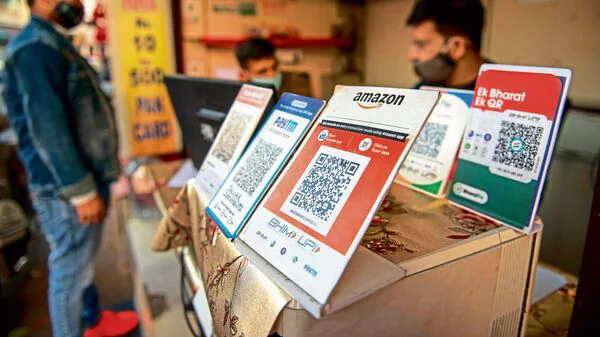
India’s UPI ecosystem processes over 13 billion transactions monthly (as of March 2025), fueling the rise of fintech startups and cashless vendors. A GST on UPI payments might disrupt this growth.
- – Radhika Agarwal, a startup founder, cautioned: “Adding ₹125 tax on a ₹2,500 product could deter price-sensitive customers, hurting small businesses.”
- – Experts worry the tax could stifle innovation, as UPI’s zero-cost model has been key to its success.
“RBI Silent on GST on UPI Payments Amid Concerns Over Digital Adoption, Financial Inclusion Clash”
The Reserve Bank of India (RBI), a vocal advocate for affordable digital payments, has yet to comment. An anonymous RBI official hinted concerns: “Any policy discouraging digital adoption conflicts with our financial inclusion goals.”
What’s Next?
The proposal remains under discussion, with no official confirmation from the Finance Ministry. All eyes are now on the GST Council meeting, where the final decision will likely be made. If passed, the 5% UPI GST could roll out by Q2 of FY2025–26.
Final Thoughts
While the government aims to boost GST collections, the move risks alienating a digitally savvy population. For now, users and businesses await clarity—hoping the authorities balance revenue needs with the promise of a cashless India.
‘Stay tuned for updates as the Philox team tracks developments on GST for UPI transactions. Note: This proposal is not yet official, and no formal announcement has been made by the GST Council or Finance Ministry.’
Next..https://toolihive.in/tata-curvv-ev-price-dark-edition-launched-hurry-up/